

Using low-carbon, locally sourced wood pellets and biomass to heat homes and commercial and industrial buildings offers a practical way to reduce strain on Canada’s energy grid, while lowering heating costs for consumers. It’s been a productive spring discussing the role of biomass in Canada’s energy future.
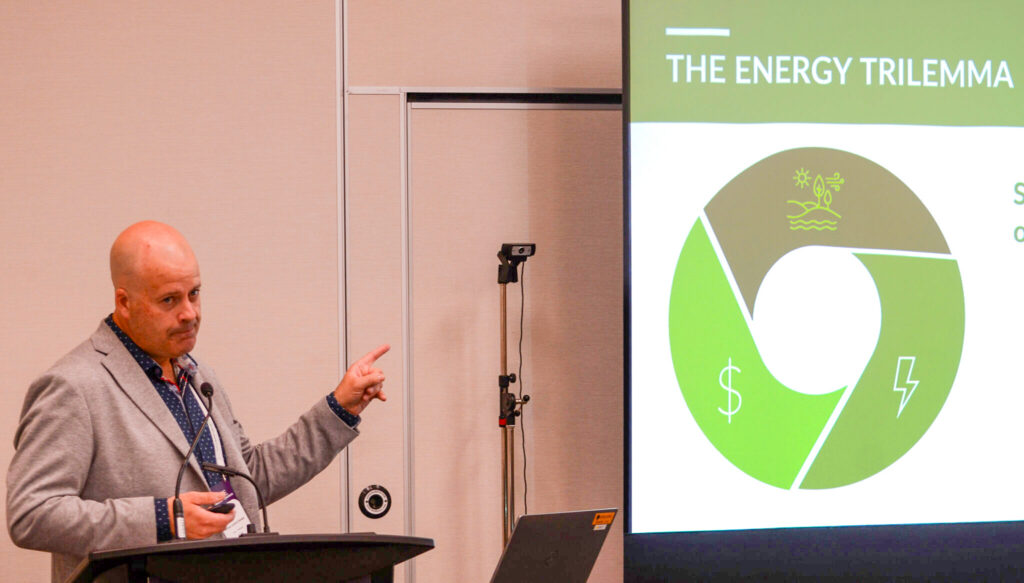
In May, I represented the Wood Pellet Association of Canada (WPAC) at the Energizing Efficiency Conference in Fredericton, New Brunswick. While much of the conference focused on electrification and energy efficiency, WPAC highlighted the important role that biomass heating can play in reducing emissions while relieving pressure on electrical systems. I also delivered Canadian Biomass’ webinar Bioheat: Delivering Decarbonization, Affordability and Energy Resistance.
Growing Demand for Electricity
Canada’s wood pellet producers are already contributing to a modern, diversified energy mix. Canada’s electricity demand is expected to grow sharply as transportation, buildings and industry electrify. The Canada Energy Regulator projects electricity demand could increase by as much as 85 percent by 2050 under current policy scenarios, while national net-zero analyses suggest demand could roughly double.
The federal government is planning accordingly, with expectations that Canada’s grid capacity may need to double by 2050. That makes it even more important to avoid using high-value electricity inefficiently for peak winter heating when reliable, locally produced bioheat can provide thermal energy directly, reducing pressure on utilities and helping keep energy costs affordable.
When the Mercury Drops, Reliability Matters
Utilities in the Maritimes and in rural and remote communities are under significant pressure to supply electricity during the coldest days of the year. Using electricity to create heat, particularly when the temperatures plummet, is not an efficient use of a valuable resource.
By contrast, modern wood pellet heating systems operate at efficiencies of 85-95 percent. Traditional thermal electricity generation operates at roughly 33 percent. Using electricity to produce heat—especially in extreme cold—is therefore a less efficient use of energy.
That’s when the energy stored in what I like to call Mother Nature’s mini batteries, wood pellets, can really shine. Canadians want our energy sources to meet three objectives—emission reduction, affordability and reliability. Biomass checks all three boxes.
Unlike heat pumps, which require increased electrical input in cold weather, modern biomass systems maintain high efficiency and full heating capacity even in the coldest winter conditions. Alternatives such as solar and wind can be less dependable in winter, where sunlight is limited and wind conditions are variable, requiring additional on-demand generation from fossil fuels.
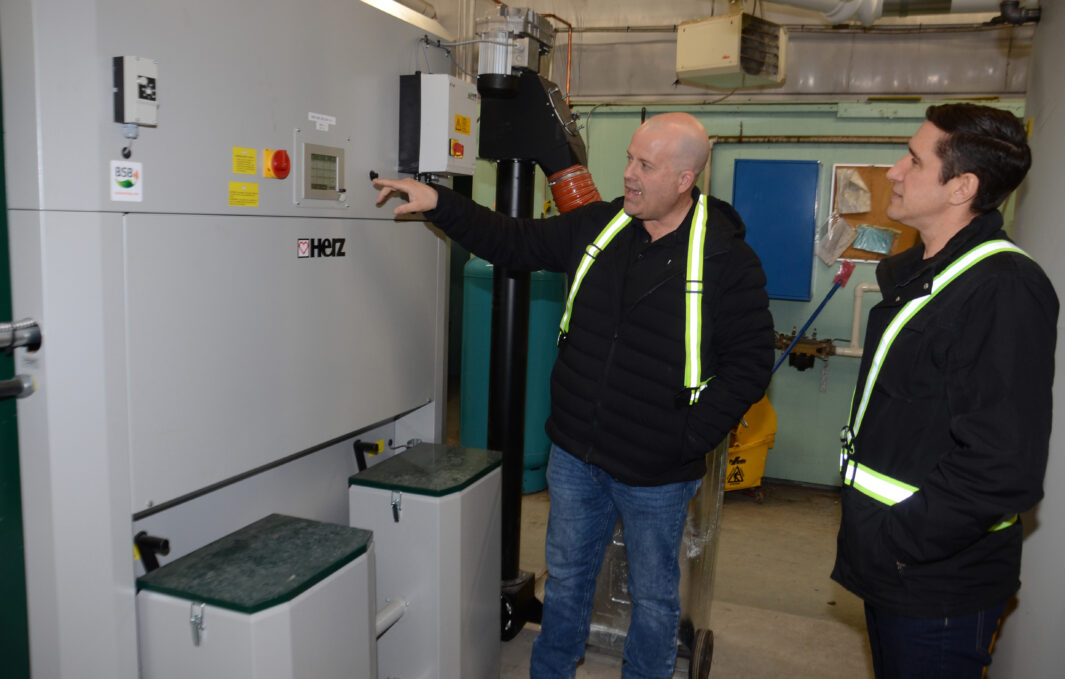
Biomass systems, on the other hand, require minimal electricity to operate and do not demand major upgrades to electrical service connections or transmission infrastructure. Modern biomass equipment is automatic, requiring minimal maintenance.
Unlocking District Energy Potential
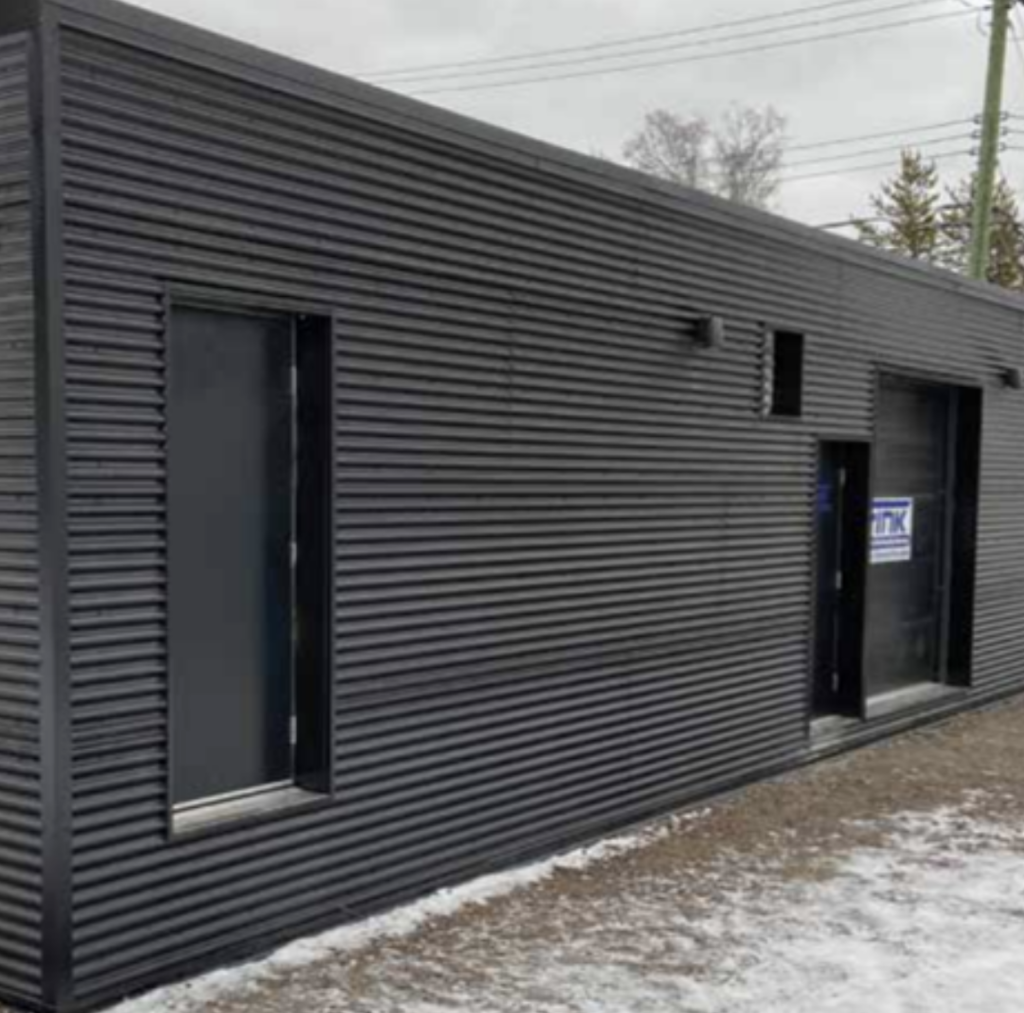
One of the most effective ways to scale biomass use is through district energy systems. District heating uses a centralized biomass heating plant to provide heat to multiple buildings—an approach widely used across Europe.
In Canada, uptake has been limited, often due to perceived higher upfront installation costs. Developers frequently choose heat pumps or even baseboard electric heaters for new home construction, which further strains electrical grids.
When infrastructure is being installed for sewer services and water lines, adding a hot water distribution line can be relatively inexpensive. One central boiler could economically heat and provide hot water to 100 or 200 homes. Some European systems are 40 to 50 megawatts, enough energy to heat about 2,000 homes.
A good Canadian example is the Sisson Court district energy system in Yellowknife, Northwest Territories. The system provides heat and domestic hot water to a 45-unit row housing complex using a centralized wood pellet boiler with propane backup. By switching from heating oil to locally managed biomass, the project saves approximately $110,000 annually, displaces more than 102,000 litres of fuel oil, and reduces greenhouse gas emissions by approximately 266 tonnes annually. The project demonstrates how biomass district energy can deliver reliable, affordable heating while reducing emissions in cold-climate communities.
Proven in Institutional Settings
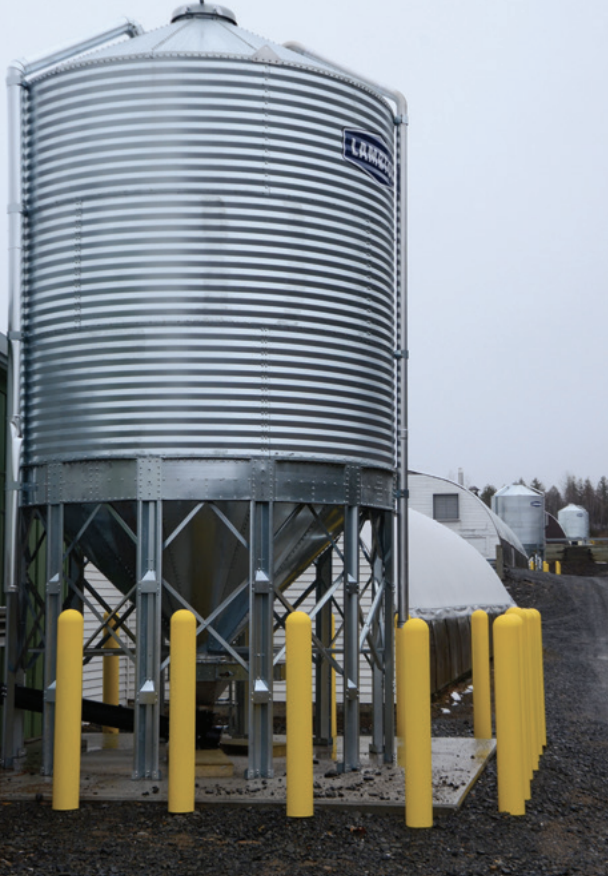
Biomass heating is already proving its value across institutional applications. In New Brunswick, numerous facilities have adopted biomass systems, including the provincial tree nursery in Kingsclear.
The Kingsclear nursery greenhouse complex burned about 700 tonnes of wood pellets in 2025, replacing about 350,000 litres of furnace oil, slashing the fuel bill by more than two-thirds. That’s one example of how we can use biomass to help the environment, support our local economy and save money.
Accelerating the Transition to Bioheat
Governments can play a key role in accelerating bioheat adoption by:
- Incorporating biomass into thermal energy strategies
- Providing financial support for installations
- Accelerating public building procurement of bioheat
- Supporting feasibility studies for fuel switching and district energy systems
Greater adoption of bioheat would reduce reliance on less-efficient, higher-emission electricity generation for heating, helping stabilize power rates both now and in the future.
Jonathan Levesque is the General Manager of Biomass Solution Biomasse, a WPAC member. Jonathan sits on the WPAC Board.