

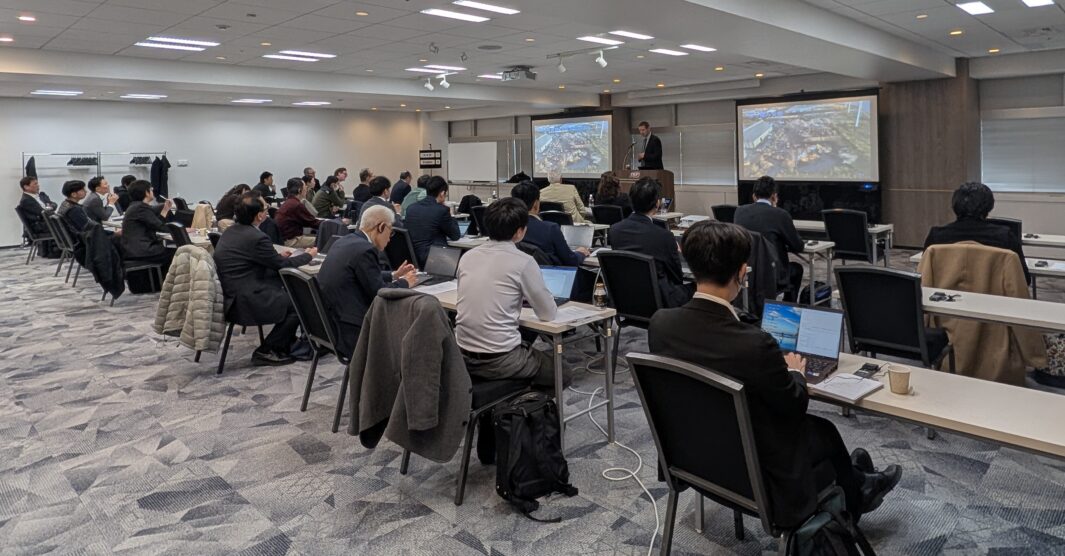
On March 12, 2026, industry leaders and technical experts from across the global biomass sector gathered in Tokyo, Japan, for the Safe Wood Pellet Storage: Preventing, Detecting, and Managing Self‑Heating Incidents workshop. Organized by the Wood Pellet Association of Canada (WPAC) in collaboration with Ørsted, FutureMetrics, Firefly and Hanwa, the one‑day event focused on addressing safety challenges facing large‑scale wood pellet storage: self‑heating and its potential to escalate into fires or explosions.
The workshop brought together over 30 producers, utilities, terminal operators, engineers and fire‑safety professionals to examine the causes of self‑heating in stored wood pellets, explore emerging detection technologies, and discuss effective prevention and response strategies. Delivered in both English and Japanese, the program combined technical presentations with real‑world case studies, creating an opportunity for knowledge exchange and industry collaboration.
Learning from Real‑World Incidents
A central theme of the workshop was the importance of learning from past incidents. Jens Kai Holm, Chief Specialist at Ørsted, and John Swaan, Operations and Project Development Expert at FutureMetrics, presented case studies examining runaway self‑heating events in pellet storage facilities. They reviewed the consequences of such incidents and highlighted lessons learned related to storage design, monitoring practices and operational preparedness. Jens and John emphasized the tangible risks associated with inadequate controls and the value of proactive risk management.
Understanding the Causes of Self‑Heating
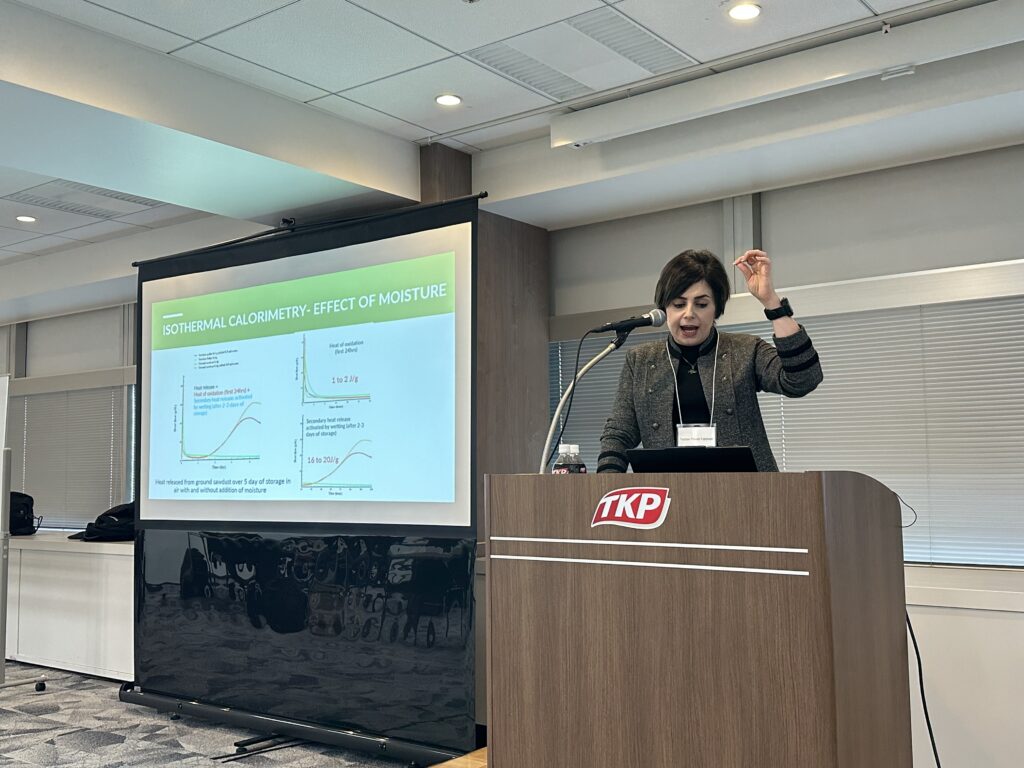
Technical insight into why self‑heating occurs was provided by Fahimeh Yazdan Panah, Associate Executive Director, WPAC. Her presentation explored both intrinsic and operational contributors to self‑heating, including pellet moisture content, particle size distribution, chemical composition, cooling efficiency and storage practices. The session underscored that self‑heating is rarely caused by a single factor but rather by the interaction between material properties and operating conditions.
Detection and Early Warning Systems
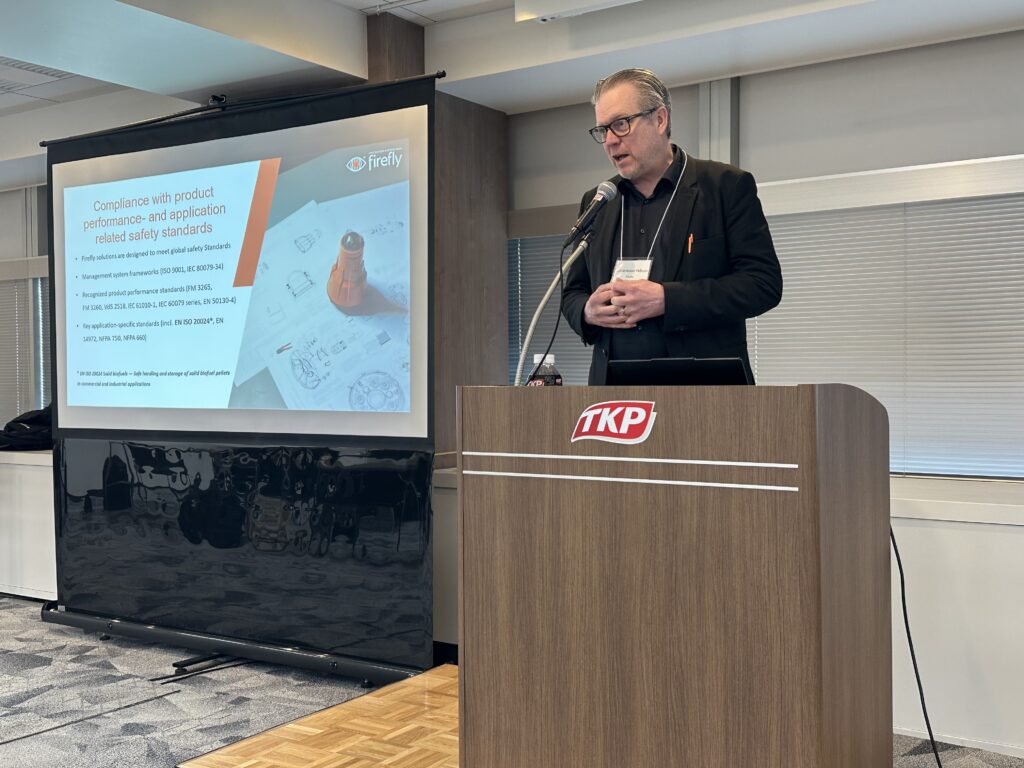
Early detection was highlighted as a critical line of defence against self‑heating that could escalate into more serious incidents. Håkan Johansson, Division Manager – Senior Advisor at Firefly, presented on detection and monitoring approaches, including temperature and gas measurements, spark detection systems and infrared surface temperature monitoring. His session emphasized that timely identification of early warning signs allows operators to intervene before conditions worsen, reducing the risk to personnel, infrastructure and supply continuity.
Prevention and Incident Response
The workshop also addressed how facilities can reduce the risk of self-heating through informed design and operational practices. Jens Kai Holm outlined strategies for minimizing self‑heating in pellet storage, drawing on laboratory measurements of pellet reactivity, storage configurations in silos and flat storage, and established industry best practices.
In a complementary session, John Swaan focused on response strategies for a self‑heating incident, highlighting effective mitigation approaches and identifying actions to avoid to prevent exacerbation.
Strengthening Industry Collaboration
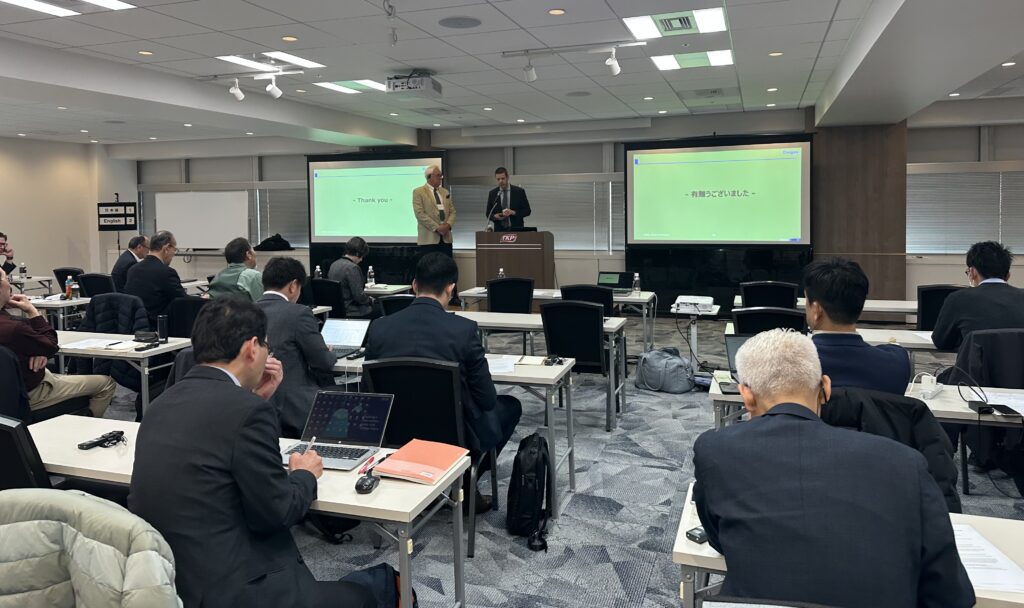
The event concluded with closing remarks emphasizing the importance of continued collaboration across the pellet supply chain. Participants were encouraged to share data, lessons learned, and operational experience to strengthen safety standards industry‑wide. By bringing together expertise from producers, utilities, technology providers and safety specialists, the workshop underscored the collective responsibility to improve the safe handling and storage of wood pellets as global biomass use continues to grow.
WPAC is committed to safety, and we recognize that each company’s individual safety performance reflects on the entire industry’s reputation across Canada and wherever our pellets are sold. That’s why we are committed to openly sharing knowledge, and we have made the workshop presentations available in English and Japanese on pellet.org.
Dr. Fahimeh Yazdan Panah is the Associate Executive Director of the Wood Pellet Association of Canada.