


The Arctic Energy Alliance and the Wood Pellet Association of Canada are excited to be hosting the Arctic Bioenergy Summit and Tour—Sustainable Bioenergy for Northern Communities: Reliable. Affordable. Local. in Yellowknife, Northwest Territories, January 26-28, 2026.
Sponsored by the Government of Northwest Territories and supported by media sponsor Canadian Biomass, this in-person event replaces the 2026 edition of Northwest Territories Biomass Week, which is traditionally held the last week of January.
Join us for a full-day tour of biomass installations in Yellowknife, followed by a two-day Summit.
- Visit local facilities that have bioheat and district heat systems.
- Learn about bioenergy in the context of the North. Hear about lessons learned from successful (and unsuccessful) projects both domestically and internationally.
- Discover the supply chain challenges and opportunities, as well as the practical skills and support needed to incorporate bioenergy into the North.
- Engage with other participants in discussing next steps for advancing bioenergy in your community.
What you should know
Where: Chateau Nova, Yellowknife, Northwest Territories, Canada
Tour: January 26 | Summit: January 27-28
Register: Registration is FULL.
Accommodation: Chateau Nova 4571 48 Street, Yellowknife, NWT.
To book a room, please contact the hotel directly at 867-766-6682.
Sponsors and Exhibitors


Speakers
Sheena Adams is an Energy Project Manager at the Government of the Northwest Territories. She holds a Master’s in Environmental Education and Communication and has rounded out her education with 21st Century Leadership and Advanced Sustainable Energy Management. She has been involved in energy in the Northwest Territories for 12 years and has a passion for renewable energy, particularly biomass.

Jason Collard, the CEO of Gonezu Energy, is a strategic and logistical planner with over 15 years of experience managing and supporting community engagement projects through a collective impact-based approach. He is skilled at working with diverse organizations, identifying common goals, and developing effective work plans to achieve them. He has extensive experience in working with community and regional Indigenous governments and communities on community engagement, needs assessment, project development and implementation.
Since 2019, he has been working with Dehcho First Nations to develop a regional energy strategy and individual community energy plans. The work is largely guided by the Dehcho First Nations resolution, with a focus on looking at renewable energy options that are “designed to maximize benefits to individual Dehcho communities.” Before this, Jason worked on a series of community development projects in the Dehcho region.
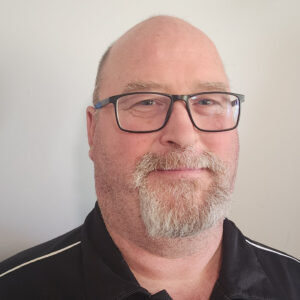
David Dubois is Manager of Business Development at Fink Machine Inc, Canada’s leading supplier of commercial biomass boilers, a role he has held since 2017. A recognized thought leader in biomass heating, David has presented at numerous national and international conferences, including the International District Energy Association Conference, Canadian Bioenergy Conference, and International Biomass Conference. In 2025, he received the Canadian Biomass Champion Award.
David contributes to industry standards through the Canadian Standards Association, serving on the mirror committee to ISO/TC 238 and participating in updates to CSA B145.1-10 for solid-fuel heating appliance performance testing. He also designed and teaches a second-year bioenergy course at Lakeland College and has edited multiple biomass heating guides.
Previously, David served as Chief of Engineering and Technical Outreach Specialist for the Community Energy Association (2015–2017), supporting local governments on energy efficiency, emissions reduction, and renewable energy policy. Earlier, he coordinated the Wood Waste to Rural Heat project, completing over two dozen feasibility studies for biomass heating initiatives. His background includes roles in commercial finance with GE Commercial Distribution Finance and research in biomass filtration technologies.
David holds a Chemical Engineering degree from the University of Alberta.
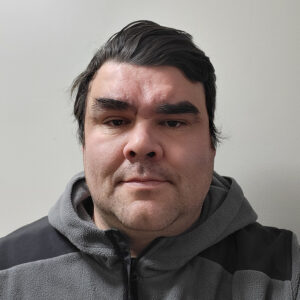
Derek Erasmus is a Project Coordinator working with the Arctic Energy Alliance and has experience in biomass and bioenergy development across the Northwest Territories. His work focuses on advancing wood-based heating solutions, including biomass boiler systems, pellet heating, and community firewood initiatives, as practical alternatives to petroleum-based fuels in Northern and remote communities. Working closely with Indigenous governments, community governments, businesses, homeowners, and other territorial partners, he emphasizes locally appropriate, cost-effective biomass solutions that strengthen energy security, reduce emissions, and build long-term capacity.

Omid Gholami Banadkoki is a postdoctoral researcher in biomass and bioenergy engineering, with expertise in converting agricultural and horticultural residues into sustainable solid biofuels. He holds a Ph.D. in Chemical and Biological Engineering from the University of British Columbia, where his doctoral research at the Biomass and Bioenergy Research Group focused on the grinding, pelletization, and thermochemical behaviour of vegetable crop residues, including tomato, cucumber, squash, eggplant, soybean and corn foliage.
Omid is currently collaborating with the Wood Pellet Association of Canada and the Government of the Northwest Territories to support the development of sustainable bioenergy supply chains for remote and Indigenous communities. Through my research, he aims to diversify biomass resources beyond conventional woody feedstocks and contribute to a resilient, low-carbon bioeconomy in Canada.
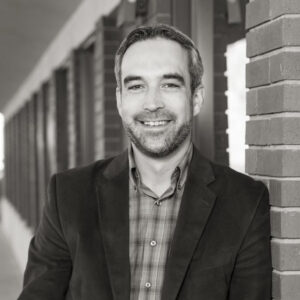
Mark Heyck, who was born and raised in Yellowknife, is the Executive Director of the Arctic Energy Alliance. He holds a Bachelor of Arts Degree in History from McGill University in Montreal, and worked at the Prince of Wales Northern Heritage Centre as the Website and Multimedia Coordinator from 2000 to 2012.
Mark served three terms on Yellowknife City Council from 2003 to 2012, was Deputy Mayor from 2006 to 2012, and was elected Mayor in 2012 and re-elected in 2015. During his time on Council, Mark chaired the City’s Heritage Committee and Community Energy Planning Committee. From 2007 to 2017, Mark served on the Federation of Canadian Municipalities’ Green Municipal Fund Council. He was also on the Board of Directors of the NWT Association of Communities, representing the Cities, Towns, and Villages of the Northwest Territories. Mark joined the Arctic Energy Alliance as Executive Director in the fall of 2018.
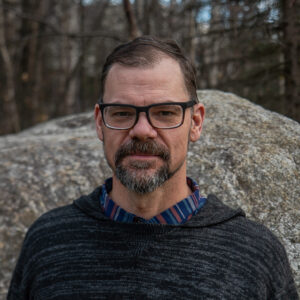
Tim has been the General Manager of Sustainable Energy for Galena Alaska, Inc. (SEGA), since it was established in 2014. SEGA is a Galena-based non-profit organization formed by the Louden Tribe, the City of Galena and the Galena City School District to promote and support local renewable energy and efficiency projects. Tim also serves as an adjunct research faculty member for the Alaska Center for Energy & Power (ACEP). He has an undergraduate degree in History, a Secondary Education from the University of Northern Colorado, a Master of Natural Resources degree with an emphasis in Sustainable Development from Oregon State University’s E-Campus, and is currently a PhD candidate in the University of Saskatchewan’s Environment and Sustainability program. Tim’s professional and research interests focus on collaborative energy planning and sustainable development with the goal of bringing a wider range of benefits to his community and other remote regions throughout Alaska.
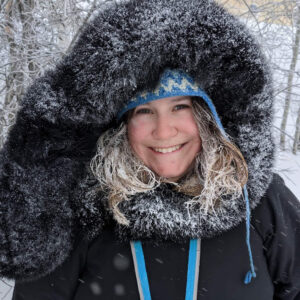
Michelle Leger is a Program Coordinator at Arctic Energy Alliance, where she supports communities across the Northwest Territories in developing and implementing Community Energy Plans. She combines technical expertise with community-focused engagement to help advance local sustainability and energy resilience.
Before joining AEA in 2020, she worked for the Northwest Territories Power Corporation for four years, maintaining electrical energy systems across the Deh Cho and Sahtu regions. She has also worked in building maintenance and environmental monitoring, experience that grounds her work in the realities of community infrastructure and supports interest in how bioenergy can benefit northern communities.
Michelle has a diploma in Environmental Technician from Canadore College, holds a Red Seal Electrician designation, and has a Graduate Certificate in Energy Transition from the University of Saskatchewan. She is currently pursuing a Master’s in Energy Security at the University of Saskatchewan.
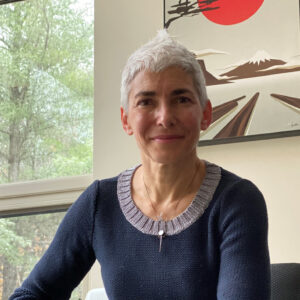
Sebnem Madrali is an Engineering Projects Leader at Natural Resources Canada, where she has worked for more than 25 years on the research, development, and deployment of renewable energy and bioenergy technologies. Her recent work focuses on advancing practical, evidence-based bioenergy solutions that support clean energy transitions and improve system performance across Canadian communities, including northern and remote regions. She is motivated to connect scientific research with real-world applications that benefit communities.
She contributes to Canadian Standards Association (CSA) committees and ISO Technical Committee 238 on solid biofuels as a technical expert in biomass fuel standards. Sebnem also serves as Canada’s National Task Lead for IEA Bioenergy Task 32 on biomass combustion, collaborating with researchers and practitioners internationally to share knowledge, assess emerging technologies, and support the responsible use of biomass for heat and power.
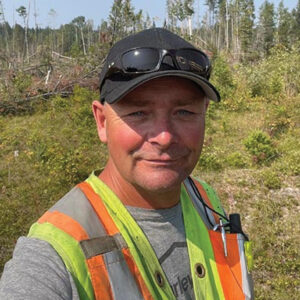
Noel McKinnon is a Maintenance & Infrastructure Development Technician at the UBC Alex Fraser Research Forest, where he supports applied research, demonstration projects, and field operations. He brings over 20 years of experience in mechanical systems, infrastructure development, operations and maintenance across the forestry, energy and agricultural sectors. Noel has previously worked with Tolko, West Fraser, and Atlantic Power in British Columbia’s Cariboo region, as well as with the BC Cattlemen’s Association in a province-wide role. His expertise includes community-scale energy systems, forestry operations, agricultural infrastructure, and fencing. He has played a key role in the installation and operation of small-scale Volter combined heat and power (CHP) systems, with a focus on practical applications for remote and northern communities.
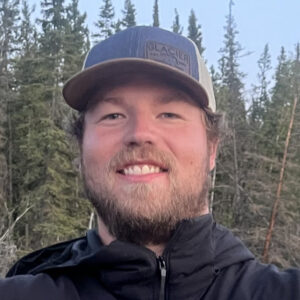
Mischa Malakoe is a Professional Mechanical Engineer and Certified Energy Manager who was born and raised in Yellowknife, bringing both technical expertise and lived northern experience to his work. He currently manages the Construction Projects team at Housing NWT, where he oversees the delivery of housing and energy-related infrastructure projects across the territory. Previously with the Department of Infrastructure, Mischa spent a significant portion of his career developing and implementing wood pellet boiler and district energy projects, helping advance more efficient and sustainable heating solutions for northern communities.
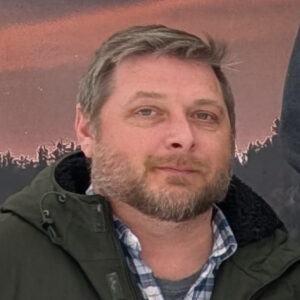 A seasoned senior leader with over two decades of experience in Canada’s North, Brad Morrissey has worked extensively with Indigenous Development Corporations, First Nations communities, municipalities, and northern businesses. He currently serves as Operations Manager at the Arctic Energy Alliance. Previously, Brad held senior leadership roles at the Acho Dene Koe and Tthets’éhk’edélî First Nations, as well as the Det’on Cho Corporation, the economic development arm of the Yellowknives Dene First Nation. He brings deep expertise in governance, operations, economic development, and northern business environments.

Tanner Nygaard is an Energy Management Specialist with the Arctic Energy Alliance, with formal training in Alternative Energy Technology from the Northern Alberta Institute of Technology. He has hands-on construction experience working on various aspects of residential and commercial buildings and practical experience as a residential energy advisor. His expertise includes conducting energy audits, analyzing consumption data, and producing technical reports and community energy plans.

Rathco’s CEO & Co-Founder, John Rathbone, is a Professional Engineer with over 18 years’ experience as an engineering consultant. The vast majority of this experience is in energy systems, most specifically renewable energy systems. John has led local and international teams in the feasibility, detailed design, and commissioning of dozens of renewable energy systems across Canadian jurisdictions, from the single-building scale to the community scale.
John has experience with district energy systems, biomass systems, geo-exchange systems, sewer energy exchange systems, heat recovery systems, energy transfer stations, heat pumps, heat exchangers, boilers and chillers and other components of energy infrastructure. He also has experience leading and designing emergency generator systems and various other aspects of central plants.

Murray Sibbeston grew up in the north, burning wood harvested by hand. Over the years, he has been interested in wood heating and began building his own wood stoves and masonry heaters. When he took over his parents’ 13-room hotel in Fort Simpson, it was an opportunity to invest in a chip boiler district heating system. Murray has educated himself over the years on the technology used in Scandinavian countries and is trying to incorporate the best technologies available in the North.
Robert Sexton is the President of the Board of Directors for the Arctic Energy Alliance and the Director, Strategic Energy Policy and Program, Department of Infrastructure with the Government of the Northwest Territories. He provides public sector leadership on a variety of energy and climate change issues at senior management and board governance levels. He advises executive management and elected officials on critical public policy issues and provides clear and concise advice to solve problems.
A public policy practitioner and energy professional, Robert has 20 years of government experience and five years of industry experience. He is skilled and experienced in public policy and program development, including research, analysis, advice, development, implementation, and evaluation.
Robert Sexton was appointed as Director of Energy in 2016. Before joining the GNWT in 2013, Robert held energy and climate change policy roles with the Government of Newfoundland and Labrador and served as the Director of Energy for the Government of Nunavut. Before joining the public service, he spent four years in the biopharmaceutical industry doing research on new therapeutic drugs.
Robert has been the President of the Board of Directors for the Arctic Energy Alliance for over six years.
Robert has a Master of Arts in Political Science and a Bachelor of Science in Biochemistry from Memorial University of Newfoundland. He also has a postgraduate certificate in Renewable Energy from the University of Toronto and has certificates in Executive and Senior Management Leadership Development, Energy Utility Regulation, and Program Evaluation.

Dr. Jamie Stephen is the Managing Director of TorchLight Bioresources, a decarbonization strategy advisor and project developer that provides value to governments, utilities, large industrial emitters, the transportation sector, property owners, and investment funds. Projects range from the development of energy facilities to national net-zero strategies.
Jamie has over two decades of experience in the bioenergy and carbon management industry, working at the interface of the energy, forestry, agriculture and waste sectors. He holds a PhD in Forest and Energy Economics and a Master’s in Chemical and Biological Engineering from the University of British Columbia. After growing up in the prairies and spending over a decade in Ontario, Jamie now resides with his wife and four daughters in Mahone Bay, Nova Scotia.
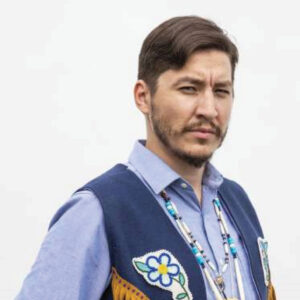
Dana Tizya-Tramm is a Gwich’in leader and founder of Nadlii, with deep experience in Indigenous-led renewable energy, governance, and northern infrastructure. As former Chief of the Vuntut Gwitchin First Nation, he helped lead the development of the Old Crow Solar Project, a landmark initiative in a fly-in Arctic community of roughly 250 people. The project now displaces approximately 60 percent of the community’s annual diesel electricity use and allows diesel generators to be shut off entirely from early March through late September. Beyond emissions reductions, the project has improved energy security, reduced fuel risk and costs, and demonstrated what community-driven clean energy can achieve in extreme northern conditions. Dana’s current work focuses on advancing Indigenous-owned, renewably powered infrastructure that aligns energy systems with local governance, climate resilience, and long-term economic self-determination in the North.

Hannes Tuohiniitty is the Sector Manager at the Bioenergy Association of Finland. He is a leading expert in bioenergy and sustainable resource management, with over two decades of experience advancing renewable energy solutions across Europe. In his current role, Hannes oversees wood energy, renewable transport fuels, biomass sustainability, and EU-level policy issues. He has held leadership roles as President and Director of Bioenergy Europe, and co-founded SURE Sustainable Resources Verification Scheme Gmbh. Hannes represents Finland in the European Pellet Council and contributed to the Technical Expert Group on Sustainable Finance Taxonomy.
His career includes executive leadership of the Finnish Pellet Energy Association and entrepreneurial work in renewable energy installations. Hannes holds a Master’s degree in Bioeconomy from Häme University of Applied Sciences and a Bachelor’s degree in Agriculture from Laurea Polytechnic, with studies in forestry, environmental planning, and renewable energy systems.
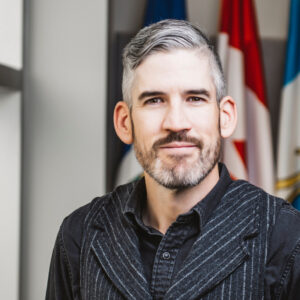
Councillor Rob Warburton is a dedicated community builder and social entrepreneur focused on fostering sustainable development, business incubation, and local empowerment. As the cofounder of Outpost, a company that specializes in coworking, residential, and commercial real estate, Rob works closely with small businesses, NGOs, and community organizations to identify spaces that foster growth and collaboration.
In addition to his work at Outpost, Rob serves on the Yellowknife City Council, where he actively advocates for community-centred policies, housing solutions, and local business development. He was a founding partner of the Yellowknife Car Share Co-op and the Yellowknife Climbing Club, and has served on various boards, including the City of Yellowknife’s Community Advisory Board on Homelessness. His previous leadership roles include serving as past President of the Yellowknife Chamber of Commerce and a former member of the Government of the Northwest Territories’ Tourism Marketing Advisory Board. Through his work and advocacy, Rob is continually dedicated to improving the quality of life for the people of Yellowknife.

Dr. Fahimeh Yazdan Panah is the Associate Executive Director at WPAC and a research associate at the University of British Columbia (UBC). She has over 15 years of experience in bioenergy, managing numerous bioenergy projects for governments, manufacturers, and technology developers. For the past decade, she has spearheaded research studies on biofuel densification, pretreatment, storage, and handling. She has co-authored more than 80 technical reports and peer-reviewed publications.
Dr. Yazdan Panah also serves as the project lead within the ISO Technical Committee 238 (Solid Biofuels) and previously chaired the ISO Technical Committee 300 (Solid Recovered Biofuels).
Dr. Yazdan Panah earned her PhD and MASc from the Department of Chemical and Biological Engineering at UBC and holds a bachelor’s degree from Amirkabir University of Technology. She is a registered Professional Engineer with Engineers and Geoscientists British Columbia and a certified Project Management Professional with the Project Management Institute.
Agenda
Monday, January 26
Site Tours (Full)
8:45 am – 5:00 pm
Biomass Installation Tour
Join us for a full-day tour of projects in Yellowknife that have incorporated biomass heating systems into their buildings.
6:00 pm – 8:00 pm
Opening Reception (Full)
Network with other participants at our opening reception.
Tuesday, January 27
Summit: Setting the Stage and Exploring the Supply Chain (Full)
8:00 am – 9:00 am
Registration, Networking and Breakfast
Meet participants and explore exhibitor booths.
9:00 am – 9:30 am
Welcome Remarks
Moderator: Mark Heyck, Executive Director, Arctic Energy Alliance (AEA)
Speakers:
- Deputy Mayor Rob Warburton, City of Yellowknife
- Robert Sexton, President, AEA and Director of Energy, Department of Infrastructure, Government of Northwest Territories
- Fahimeh Yazdan Panah, Associate Executive Director, Wood Pellet Association of Canada (WPAC)
9:30 am – 10:30 am
Bioenergy in Canada’s North
This session explores the evolving landscape of bioenergy in Northern Canada, highlighting regional strategies, technological advancements and policy frameworks that support sustainable energy development in remote and Indigenous communities.
Moderator: Mark Heyck, Executive Director, AEA
Speakers:
- Fahimeh Yazdan Panah, Associate Executive Director, WPAC
- Robert Sexton, President, AEA and Director of Energy, Department of Infrastructure, Government of Northwest Territories
- Fred Behrens, Senior Administrative Officer, Wekweètì
10:30 am – 11:00 am
Break and Networking
Meet participants and explore exhibitor booths.
11:00 am – 12:00 pm
Biomass Success Stories and Lessons Learned
Learn about practical applications of bioenergy in Northern Canada, including successful projects and the valuable lessons gained from their implementation. Insights into the challenges, innovations and community impacts of biomass energy systems will be included.
Moderator: Derek Erasmus, Project Coordinator, AEA
- Ken Miller, Owner, JR Mechanical
- Mischa Malakoe, Manager, Housing Projects, Government of Northwest Territories
- Geoffrey Cartwright, Community Energy Coordinator, Teslin Tlingit Council
12:00 pm – 1:30 pm
Lunch and Networking
Meet participants and explore exhibitor booths.
1:30 pm – 3:00 pm
Supply Chain Challenges and Opportunities
Experts from industry, government and academia will share insights into current barriers and innovative solutions for improving access to sustainable energy in remote communities, with a focus on logistics, production and distribution of biomass fuels.
Moderator: Tanner Nygaard, Energy Management Specialist, AEA
Speakers:
- David Dubois, Manager of Business Development, Fink Machine Inc.
- Fahimeh Yazdan Panah, Associate Executive Director, WPAC
- Omid Gholami, Post Doctoral Fellow, University of British Columbia
- Sheena Adams, Project Manager, Energy Infrastructure, Government of Northwest Territories
3:00 pm – 3:30 pm
Break and Networking
Meet participants and explore exhibitor booths.
3:30 pm – 4:30 pm
International Experience
Learn about success stories and lessons learned from international leaders in sustainable energy. Participants will gain insights into how different regions are leveraging biomass and district energy systems to meet climate goals, enhance energy security and support rural economies.
Moderator: Fahimeh Yazdan Panah, Associate Executive Director, WPAC
Speakers:
- Jamie Stephen, Managing Director, TorchLight Bioresources
- Hannes Tuohiniitty, Sector Manager, The Bioenergia Association of Finland
- Tim Kalke, General Manager, Sustainable Energy for Galena Alaska, Inc. (SEGA)
4:30 pm – 5:00 pm
Day 1 Wrap Up
Speaker: Mark Heyck, Executive Director, Arctic Energy Alliance
6:00 pm – 8:00 pm
Reception
Network with other participants and exhibitors.
Wednesday, January 28
Summit: From Technology to Community Action (FULL)
8:00 am – 9:00 am
Registration and Breakfast
Meet participants and explore exhibitor booths.
9:00 am – 10:15 am
Advancing Combined Heat and Power and District Heating Systems
With a focus on practical applications, technological innovation and policy support, explore how biomass district energy and combined heat and power can contribute to energy independence, economic development and climate resilience in northern and remote communities.
Moderator: Sheena Adams, Project Manager, Energy Infrastructure, Government of Northwest Territories
Speakers:
- Jamie Stephen, Managing Director, TorchLight Bioresources
- Noel McKinnon, Maintenance & Infrastructure Development Technician, The University of British Columbia Alex Fraser Research Forest
- John Rathbone, CEO & Co-Founder, Rathco ENG Ltd.
- Sebnem Madrali, Engineering Projects Leader, Natural Resources Canada
10:15 am – 10:45 am
Break and Networking
Meet participants and explore exhibitor booths.
10:45 am – 11:45 am
Panel Session: Community Benefits and Co-Benefits
Panelists will share the wide-ranging benefits of bioenergy projects in northern and remote communities, going beyond energy generation to highlight economic, social, health and environmental impacts.
Moderator: Derek Erasmus, Project Coordinator, AEA
Speakers:
- Geoffrey Cartwright, Community Energy Coordinator, Teslin Tlingit Council
- Ken Miller, Owner, JR Mechanical
- Murray Sibbeston, Fort Simpson
- Michelle Leger, Program Coordinator, AEA
- David Dubois, Manager of Business Development, Fink Machine Inc.
11:45 am – 1:00 pm
Lunch and Networking
Meet participants and explore exhibitor booths.
1:00 pm – 2:20 pm
Practical Skills and Support
Explore the hands-on knowledge, tools, and partnerships needed to successfully plan, fund, install and maintain bioenergy systems in northern and remote communities. Experts and practitioners will share real-world experiences and resources that support community-led clean energy initiatives.
Moderator: Tanner Nygaard, Energy Management Specialist, AEA
Speakers:
- Dana Tizya-Tramm, Director, Nadlii Society
- Brad Morrissey, Operations Manager, AEA
- David Dubois, Manager of Business Development, Fink Machine Inc.
- Jason Collard, CEO, Gonezu Energy
- Tim Kalke, General Manager, Sustainable Energy, Galena Alaska
2:20 pm – 3:00 pm
Forests, Carbon and Bioenergy
Experts will discuss how sustainable forestry practices and bioenergy systems can contribute to climate mitigation, wildfire resilience, and community well-being.
Moderator: Sheena Adams, Project Manager, Energy Infrastructure, Government of Northwest Territories
Speakers:
- Jamie Stephen, Managing Director, TorchLight Bioresources
- Reg Renner, President, Renner Consulting Ltd.
3:00 pm – 3:15 pm
Closing Remarks and Next Steps
Speaker: Mark Heyck, Executive Director, AEA
NWT Biomass Boiler and Heating Plant Training
(NOTE: Training is full)
Thursday, January 29
Parts and Functions
Topics include:
- Benefits of biomass boilers
- Relationships between biomass, oil and propane-based boilers
- Core safety consderations when operating a biomass boiler
- Biomass boiler parts and their functions
Friday, January 30
Operations Topics
Topics include:
- Operating a biomass boiler plant
- Inspection
- Cleaning
- Maintenance procedures
- Inspection cleaning and maintenance tasks
- Troubleshooting common problems
Accommodation
Chateau Nova
4571 48 Street
Yellowknife, NTW X1A 0E2
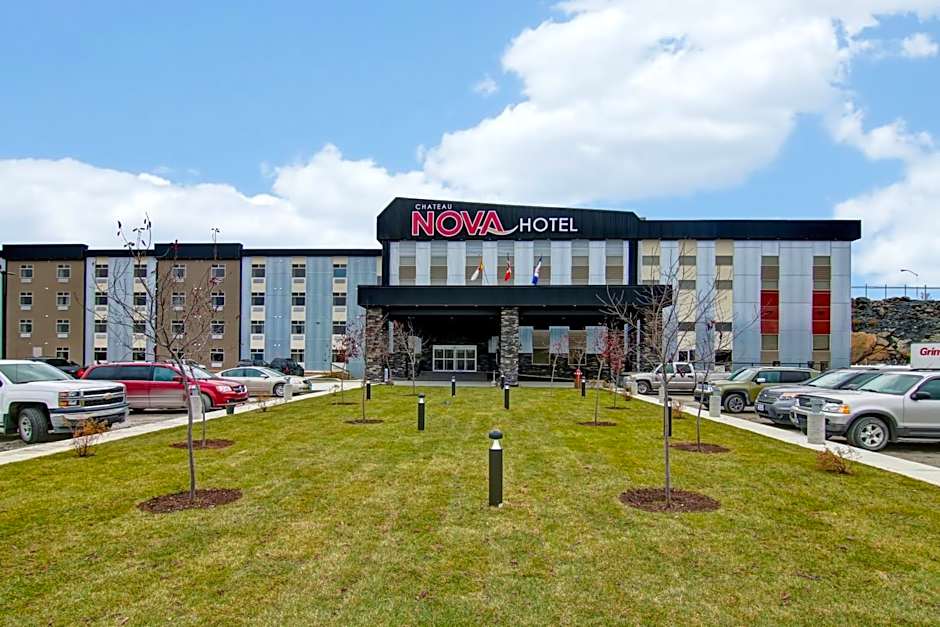
A block of rooms has been booked at the Chateau Nova hotel.
Rate: $204/night.
Nights available: Sunday, January 25 – Thursday, January 29
Booking Deadline: December 28, 2025
To book a room: please get in touch with the hotel directly at 867-766-6682.
Things to do in Yellowknife
The Northwest Territories Tourism is offering coupons as part of their Show Your Badge Program. This is an opportunity for visiting conference and event delegates to access special promotions from local businesses. There are discounts on products and services.