

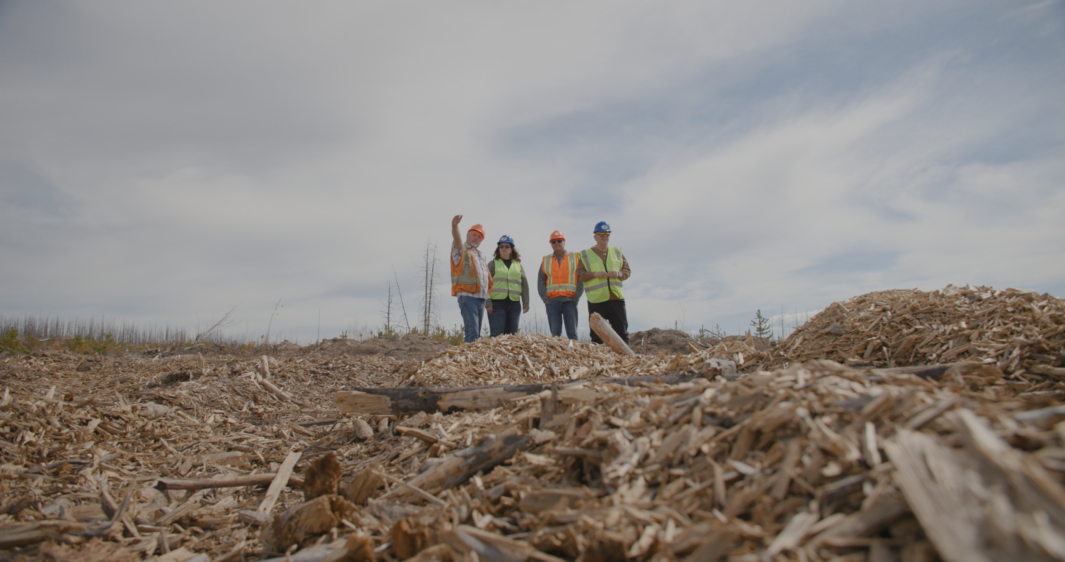
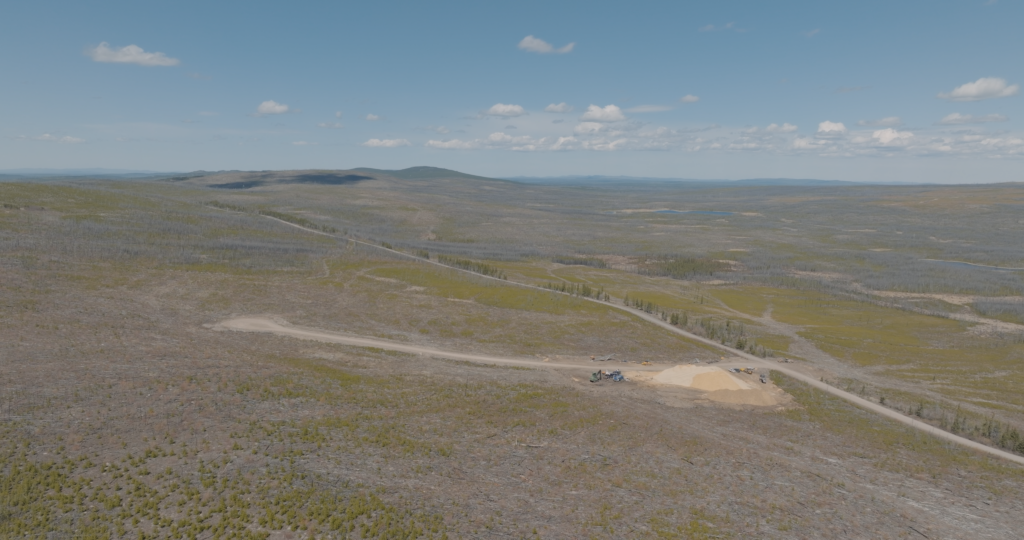
I recently had the opportunity to see firsthand how Central Chilcotin Rehabilitation Ltd. (CCR), a joint venture of three First Nations, is transforming stands of burned trees just outside Williams Lake, BC, into a fibre source for wood pellet and pulp & paper production. We recorded the visit so that others could experience what we saw.
Standing in the forest impacted by the 2017 Palmer Lake fire, I could see the devastation of the wildfire in the charred, dead trees stretched across the landscape. But there were clear signs of renewal. A layer of green lodgepole pine seedlings formed a layer across the ground, demonstrating the forest’s natural ability to regenerate.
Witnessing this firsthand made me fully understand how important the work CCR is doing—they are helping the forest regenerate by removing excess fuel and spacing lodgepole pine seedlings. These efforts reduce wildfire risk and give young trees the space to grow,
allowing the forest to regenerate more quickly and safely.
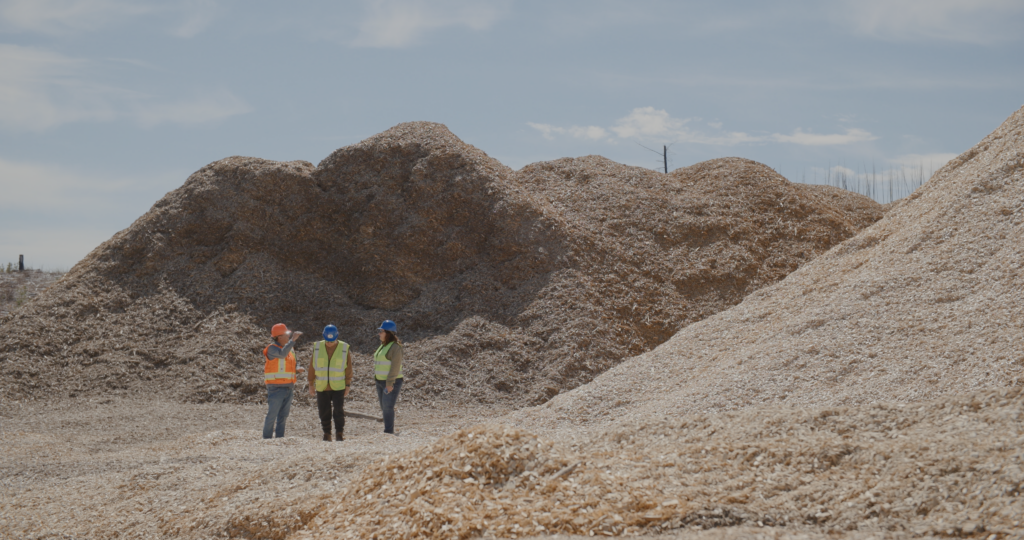
The recovered deadwood is chipped, ground, and used in pulp, paper and wood pellet production. WPAC members will take the lower-end fibre and pelletize it for use in a renewable, low-carbon energy source that can help displace fossil fuels in heat and power generation.
It’s such a good new story. CCR is turning what might otherwise be seen as waste into jobs, economic development, community pride, and contributions to the biomass industry. At the same time, they are strengthening partnerships across industry and government—collaboration that is essential to scaling these solutions.
My visit to CCR operations left me optimistic. By working together, we can turn wildfire challenges into opportunities to restore our forests, support communities, and help provide renewable fibre for wood pellets that power a low-carbon future. I encourage you to watch the video and learn more about CCR’s initiatives.
Gordon Murray is the Executive Director of the Wood Pellet Association of Canada.